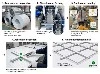


Galvanized coils are metal products made from cold-rolled steel substrates that are coated with a protective zinc layer via hot-dip galvanizing or electro-galvanizing. Characterized by corrosion resistance, ease of processing, and environmental friendliness, they are widely used in sectors such as automotive manufacturing, electronic equipment, metal fabrication, and mechanical machining. Their core value lies in the zinc layer's ability to isolate the substrate from the external environment, thereby extending the material's service life and reducing maintenance costs in industrial production.
The protective mechanism of galvanized coils relies on the electrochemical properties of zinc. As zinc is more reactive than iron, it preferentially undergoes oxidation in humid environments, forming a dense protective layer of zinc oxide that prevents corrosion from spreading to the substrate. Depending on the manufacturing process, they are classified into two types: hot-dip galvanized and electro-galvanized. Hot-dip galvanizing involves immersion in molten zinc at high temperatures, resulting in a thicker zinc layer (typically ≥20 μm) suitable for highly corrosive outdoor environments. Electro-galvanizing involves the electrolytic deposition of zinc, producing a thinner layer (3–15 μm) with a smoother surface finish, making it ideal for precision machining applications. Additionally, some products feature an anti-fingerprint coating; created through a composite treatment of organic resin and silane, this coating forms a microporous surface structure that prevents fingerprint residue while enhancing coating adhesion.