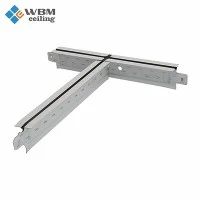

The quality of U type ceiling profiles can significantly vary among different brands, a fact well - known to those in the construction and interior design industries. As a supplier of U type ceiling profiles, I have witnessed firsthand the diverse quality levels across various brands in the market.
Material Composition
One of the primary factors that contribute to the quality difference among brands is the material used in manufacturing U type ceiling profiles. High - quality brands often use superior metals, such as galvanized steel. Galvanization is a process where a protective zinc coating is applied to steel to prevent rust and corrosion. Galvanized U Type Ceiling Profile from top - tier brands typically have a thicker and more evenly distributed zinc coating. This means that these profiles can withstand harsh environmental conditions, including high humidity and exposure to moisture, without rusting or deteriorating quickly.
On the other hand, some lower - quality brands may use thinner steel or a substandard galvanization process. The zinc coating may be uneven or too thin, leaving the profile vulnerable to rust. Over time, rust can weaken the structure of the ceiling profile, leading to sagging or even collapse in extreme cases. This is a serious safety concern, especially in large commercial buildings where a ceiling failure can cause significant damage and endanger lives.
Another aspect related to material is the purity of the metal. High - end brands ensure that the steel used in their U type ceiling profiles has a consistent chemical composition. Impurities in the metal can affect its strength and durability. For example, the presence of excessive sulfur or phosphorus can make the steel brittle, reducing its load - bearing capacity. Quality brands perform strict quality control on the raw materials to eliminate such impurities.
Manufacturing Precision
The manufacturing process also plays a crucial role in determining the quality of U type ceiling profiles. Brands that invest in advanced manufacturing technology can produce profiles with high precision. The dimensions of U type ceiling profiles need to be accurate to ensure a proper fit during installation. High - quality brands use state - of - the - art machinery to cut, bend, and shape the profiles. This results in profiles that have smooth edges and consistent cross - sections.
In contrast, some brands may use outdated or low - quality manufacturing equipment. This can lead to profiles with rough edges, uneven bends, or inconsistent dimensions. When installing these profiles, it can be challenging to achieve a seamless and professional - looking ceiling. The gaps between the profiles may be wider than expected, which not only affects the aesthetics but also reduces the overall stability of the ceiling structure.
Moreover, precision in manufacturing also affects the connection points of the U type ceiling profiles. High - end brands ensure that the joints are well - designed and can provide a strong and stable connection. This is important for distributing the weight evenly across the ceiling structure. Lower - quality brands may have poorly made joints that can loosen over time, causing the ceiling to become unstable.
Load - Bearing Capacity
Load - bearing capacity is a critical quality factor for U type ceiling profiles. Different brands offer profiles with varying load - bearing capabilities. Heavy Duty U Type Ceiling Profile from reputable brands are designed to support heavier loads. They are often thicker and have a stronger cross - sectional shape. These profiles are suitable for use in large commercial spaces or areas where additional equipment, such as lighting fixtures or ventilation systems, will be installed on the ceiling.
Some lower - quality brands may claim to offer high - load - bearing profiles but fail to deliver in practice. Their profiles may not be able to support the weight they are supposed to, which can lead to premature failure. This can be extremely costly for construction projects, as it may require re - installation of the ceiling profiles and can also cause delays.
Surface Finish
The surface finish of U type ceiling profiles can also vary among brands. A good surface finish not only enhances the aesthetics of the ceiling but also provides additional protection to the profile. High - quality brands often offer profiles with a smooth and uniform finish. This can be achieved through processes such as powder coating or painting.
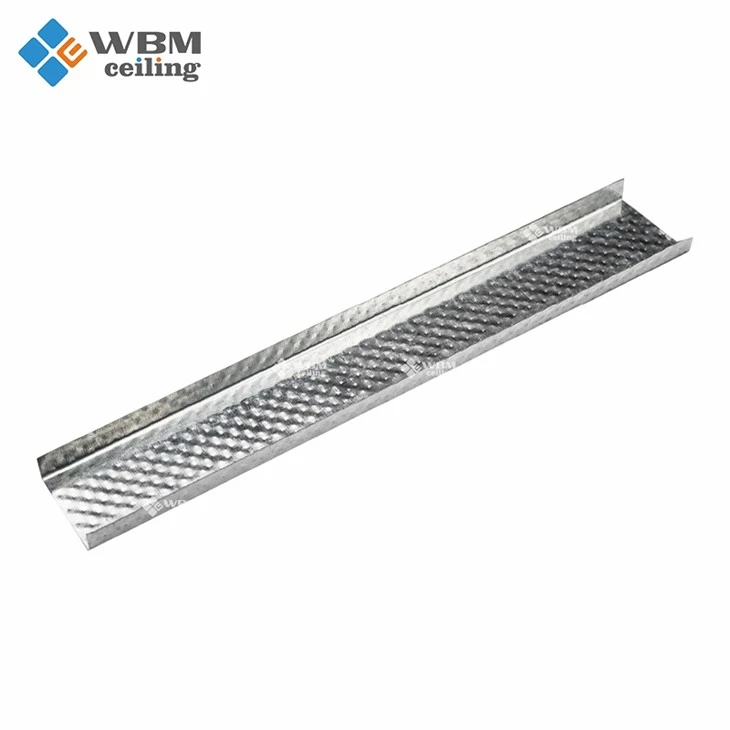
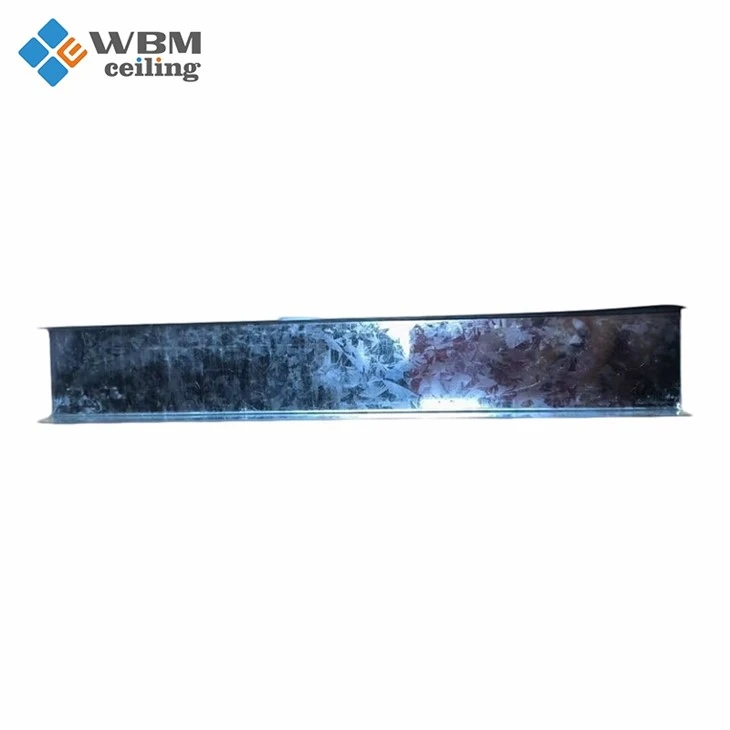
Anti Rust Ceiling Drywall Profile with a proper surface finish can resist scratches and stains better. The finish can also act as an additional barrier against moisture and corrosion. In contrast, lower - quality brands may have a rough or uneven surface finish. This not only looks unappealing but also makes the profile more prone to damage and corrosion.
Compatibility
Compatibility with other ceiling components is another important quality aspect. High - end brands ensure that their U type ceiling profiles are compatible with a wide range of main channels, cross - tees, and other accessories. U Type Ceiling Drywall Profile and Main Channel from these brands are designed to fit together seamlessly, which simplifies the installation process and ensures a more stable ceiling structure.
Some lower - quality brands may produce profiles that are not compatible with standard ceiling components. This can lead to difficulties during installation, as contractors may need to make modifications or use additional hardware to make the components fit. In some cases, the incompatible components may not provide a secure connection, which can compromise the safety and durability of the ceiling.
Brand Reputation and Customer Support
Brand reputation is often a good indicator of the quality of U type ceiling profiles. Brands that have been in the market for a long time and have a positive reputation are more likely to offer high - quality products. They have a history of meeting customer expectations and have built a trust relationship with their customers.
Additionally, reliable brands usually provide excellent customer support. They can offer technical advice, installation guidance, and after - sales service. This is especially important for large construction projects where any issues with the ceiling profiles need to be resolved quickly. In contrast, some new or low - reputed brands may not have the resources or expertise to provide such support.
Conclusion
In conclusion, the quality of U type ceiling profiles can vary significantly among different brands. Factors such as material composition, manufacturing precision, load - bearing capacity, surface finish, compatibility, and brand reputation all contribute to these differences. As a supplier, I understand the importance of providing high - quality products to my customers. Our company offers a wide range of U type ceiling profiles, including U Type Main Runner, that meet the highest quality standards.
If you are in the process of a construction or renovation project and are looking for U type ceiling profiles, it is crucial to choose a brand that offers high - quality products. We are here to help you make the right choice. Contact us for more detailed product information and to discuss your specific requirements. We can offer you a product that is not only of the highest quality but also tailored to your project needs.
References
- Construction Material Handbook: A guide to various construction materials including ceiling profiles.
- Industry reports on the quality and performance of different brands of U type ceiling profiles.