
Hey there! If you’re like most people planning a home renovation, office build, or even a quick room refresh, you’ve probably wondered: are ceiling boards actually fire-resistant? I’m Jake, and I’ve been selling ceiling boards for over 8 years now—so I’ve answered this question hundreds of times. Let’s break it down plain and simple, no confusing jargon, and share what I tell every customer who walks through my door.
First, let’s get one thing straight: ceiling boards aren’t all created equal when it comes to fire. Some are designed to slow flames way down, others just add a tiny bit of protection, and a few even turn into fire hazards if you’re not careful. A lot of people mix up “fire-resistant” with “fireproof”—those two are worlds apart. Fireproof means it won’t burn at all, which almost no building material is. Fire-resistant means it can withstand fire for a set amount of time (usually 30, 60, or 90 minutes) before failing. That’s the bar we care about here.
When I first started in this business, I didn’t pay enough attention to fire ratings. I once sold a customer a super cheap fiberglass board because it was light and looked good—turns out, it only had a 15-minute fire rating. A year later, he told me if his kitchen grease fire had spread to the ceiling, that board would’ve melted in 10 minutes. Ouch. That mistake taught me to dig into what makes each board type work for fires, not just cost or looks.
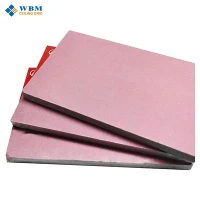
Let’s talk about the main types I sell, since those are the ones most folks ask about. First up is Gypsum Ceiling Board—this is the workhorse of the industry, and for good reason. Gypsum is made from calcium sulfate dihydrate, right? That means it has water trapped in its structure. When heat hits it, the water turns to steam and evaporates—this actually cools the board down and slows the flame from getting to whatever’s above it. The standard gypsum ceiling board I stock has a 60-minute fire rating, and if you need more, we do thickened versions that hit 90 minutes. I always link customers to our Gypsum Ceiling Board page for specs because it breaks down the fire ratings for residential vs. commercial use.
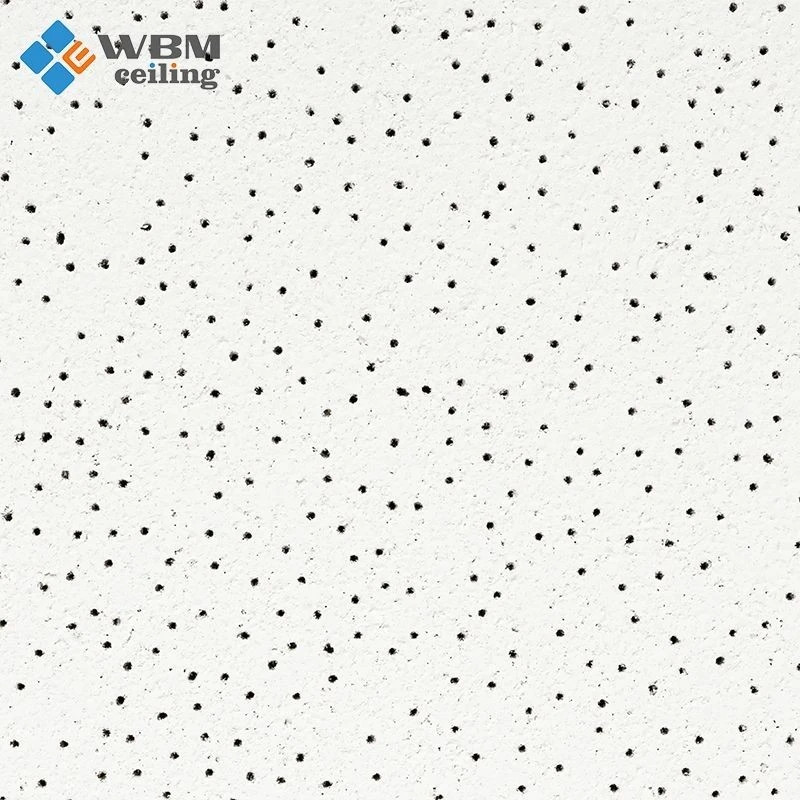
Next, I see a lot of people go for Fiberglass Ceiling Board—it’s lightweight, sounds great, and looks sleek. But here’s the catch: regular fiberglass isn’t fire-resistant at all. If it’s not treated, it can catch fire quickly and even release toxic fumes. The fiberglass we sell is fire-retardant treated, so it’ll self-extinguish if a small flame touches it. But don’t expect it to hold back a big fire—usually, it’s only rated for 15-30 minutes. I only recommend this for areas where fire risk is low, like a bedroom closet or a small home office, not kitchens or server rooms. If you’re curious, check out our Fiberglass Ceiling Board page to see which treated models I keep in stock.
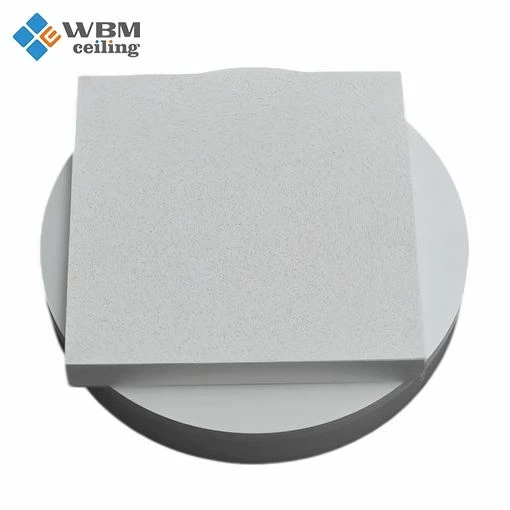
Then there’s Mineral Wool Ceiling Board—this is the heavy hitter for fire safety. It’s made from melted rock spun into fibers, so it’s totally non-combustible. No ifs, ands, or buts—it won’t catch fire, and it doesn’t release toxic smoke. The mineral wool boards I sell have a 120-minute fire rating, which is twice as long as regular gypsum. I always push this for commercial spaces, like office hallways or restaurants, where code requires higher fire resistance. It’s a bit pricier than gypsum, but when you’re dealing with fire codes (and keeping people safe), it’s worth every penny. Our Mineral Wool Ceiling Board page has all the compliance info, like how it meets NFPA standards, so you can feel confident it’s up to code.
Wait, there’s also PVC Gypsum Ceiling Board—this is a newer hybrid I started carrying last year. It’s gypsum core with a PVC layer on top, so it’s water-resistant too, which makes it great for bathrooms or laundry rooms. But the PVC layer is plastic, so it’s combustible. I only recommend this for low-fire-risk areas because the gypsum core will hold small fires, but the PVC top can melt if exposed to high heat. You can see the fire test results on our PVC Gypsum Ceiling Board page—we make sure every product has third-party test data, not just our word.
Now, let’s talk about what actually makes a ceiling board fire-resistant, beyond the material itself. Thickness matters, obviously—thicker gypsum or mineral wool will have a higher fire rating. The additives matter too: some gypsum boards have vermiculite or perlite mixed in to boost their heat resistance. For fiberglass, it’s all about the fire retardant coating—if that coating wears off over time, the board loses its protection, so I tell customers not to use fiberglass in places where it’ll get scratched or exposed to harsh cleaners.
I also get a lot of questions about installation. Even if you buy a fire-resistant board, if you install it wrong, it won’t work. For example, if you leave gaps between boards that aren’t sealed with fire caulk, flames can creep through those gaps. Or if you use cheap nails instead of fire-rated fasteners, the connections can fail early. I always walk customers through installation basics, like sealing every seam and making sure no part of the board is touching flammable stuff (like exposed electrical wires). If you’re not sure how to install it, I can point you to licensed contractors who specialize in fire-rated ceilings—no need to mess that up yourself.
What about real-world scenarios? Let’s say you’re installing a ceiling in a restaurant’s kitchen—this is high fire risk, right? Grease fires are common, so you need a board that can handle that. I’d go with mineral wool here because it’s non-combustible, and the 120-minute rating gives firefighters enough time to put out a blaze. For a kids’ bedroom, you might not need that, but you want something that won’t spread fire to the walls. Gypsum would be perfect there—its 60-minute rating is more than enough, and it’s affordable. If someone tries to sell you a fiberglass board for the kitchen, run—even the treated ones won’t hold up.
I should mention code compliance, too. Most cities have building codes that require fire-resistant ceilings in certain areas—hallways, stairwells, commercial kitchens, even some bedrooms in apartments. If you cut corners on fire-rated boards, you could fail a building inspection, which means paying to redo everything later. I’ve had a few customers come back to me after a failed inspection because they bought cheap boards elsewhere—don’t be that guy. I keep all the fire rating certificates on hand, and I’ll send them to you so you can submit them with your building permit.
A common myth I hear: “All white ceiling boards are fire-resistant.” Nope. I once had a customer who bought a generic white board from a big box store thinking it was fire-resistant, only to find out it had a 0-minute rating—meaning it burns immediately. That’s why I always tell people to check for the “fire-rated” label. Look for a stamp from a third-party testing lab, like UL (Underwriters Laboratories) or NFPA (National Fire Protection Association). If a board doesn’t have that stamp, it’s not worth it.
Let’s get into what happens during a fire, because that’s why fire-resistant boards matter. When a fire starts, heat builds up fast. Ceilings are the first line of defense between the fire above (or below, depending on where it is) and the people below. A fire-resistant ceiling will slow the spread of fire, give occupants more time to evacuate, and give firefighters extra minutes to get in. That’s not just a building code thing—that’s a safety thing. I’ve seen photos of fires where the ceiling held, and the whole space was saved, vs. ones where the ceiling collapsed early, making the fire way worse.
Now, if you’re thinking about which board to pick, here’s my quick guide:
- Low-fire-risk areas (bedrooms, home offices): Gypsum or treated fiberglass
- Medium-fire-risk areas (living rooms, hallways): Thickened gypsum
- High-fire-risk areas (kitchens, server rooms, commercial lobbies): Mineral wool
And if you need water resistance too (bathrooms, laundry rooms): PVC gypsum (but only for low/medium risk)
Wait, can you combine them? Like, use gypsum with mineral wool on top? Yeah, that’s called a “fire assembly,” and it can give you even higher ratings—up to 180 minutes. But that’s more for super high-risk places, like a warehouse or a chemical storage room. I don’t usually recommend that for regular projects, but if that’s what you need, I can hook you up with custom orders.
I also want to address cost. Fire-rated boards are more expensive than regular ones, but let’s do the math. A 4x8 sheet of regular gypsum is like $12, fire-rated is $18. That’s a $6 difference per sheet. If you’re doing a 1,000 sq ft ceiling, that’s like 31 sheets (since they’re 32 sq ft each), so $186 total. That’s nothing compared to the cost of a fire, or failing an inspection. I tell every customer: safety isn’t a place to cut corners.
Now, I should be transparent—no board is perfect. Even the best mineral wool can get damaged if it’s exposed to a lot of water, so you have to be careful in bathrooms. And gypsum can crack if it’s installed wrong, which creates gaps for fire to get through. But if you pick the right type, install it correctly, and seal all seams, you’re way ahead of the game.
So, to circle back: are ceiling boards fire-resistant? Yes, but only if they’re the right type, with a proper fire rating, and installed correctly. If you’re not sure which one fits your space, just reach out. I can walk you through what your city’s code requires, compare the specs, and even send you sample boards if you want to touch them and see the fire labels. I don’t pressure anyone—just give honest advice based on what I’ve learned over the years.
If you’re planning a project and want to make sure you’re picking the right fire-resistant ceiling board, or if you have questions about installation, fire ratings, or any of our products, feel free to reach out to my team for a chat. We’re here to help you make a safe, smart choice for your space.
References
- Underwriters Laboratories. (2023). Standard for Safety for Fire Testing of Building Materials and Assemblies. UL 263.
- National Fire Protection Association. (2022). NFPA 70: National Electrical Code. Chapter 3, Fire-Resistant Construction Requirements.
- Gypsum Association. (2021). Fire Resistance Design Manual for Gypsum Assemblies. GA 600.
- American Society for Testing and Materials. (2022). Standard Test Method for Fire Tests of Building Construction and Materials. ASTM E119.
- Mineral Wool Insulation Manufacturers Association. (2023). Fire Performance of Mineral Wool Ceiling Systems. Technical Bulletin MWIA-007.